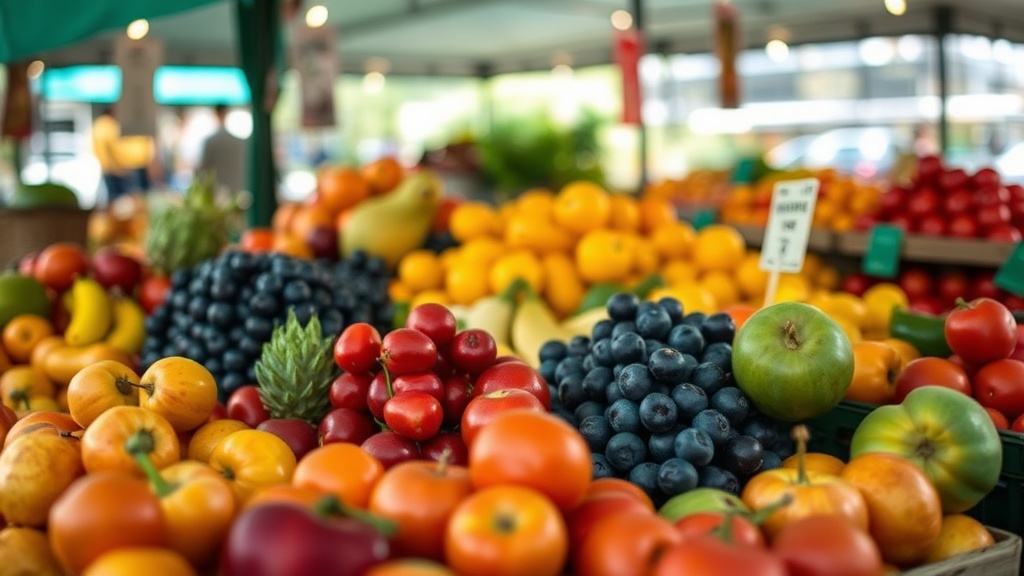
Finding the Best Seasonal Fruit at Local Markets

Did you know that nearly 90% of the produce found in typical grocery stores travels an average of 1,500 kilometers before it reaches your plate? This post covers how to identify, select, and purchase the highest quality seasonal fruit directly from farmers' markets and local growers across Simcoe County and the greater Penetanguishene area. Understanding the seasonal cycles of Ontario fruit ensures you aren't just buying food, but investing in peak nutrition and better flavor.
When is the best time to buy seasonal fruit in Ontario?
The best time to buy seasonal fruit in Ontario is between late June and early October, following the natural ripening cycles of local orchards and farms. If you're looking for berries, you'll want to be out in the streets by late June. Strawberries hit their peak early, followed closely by blueberries and raspberries in July. By August, the heavy hitters like peaches and nectarines take center stage. Apples and pears don't dominate the scene until the cooler air of September and October arrives.
Local farmers rely heavily on these windows. If you miss the two-week window for peak sweet corn or certain berry varieties, you're often stuck with imported goods that lack that fresh-picked punch. It's a narrow window, but it's worth the effort. You can track specific harvest dates through the Ontario Ministry of Agriculture, Food and Rural Affairs to stay ahead of the curve.
Here is a rough timeline of what to look for in our neck of the woods:
- June/July: Strawberries, blueberries, and rhubarb.
- August: Peaches, nectarines, plums, and cherries.
- September: Apples (Honeycrisp, Gala), pears, and early squash.
- October: Late-season apples and hard squash.
Don't forget that weather plays a massive role here. A particularly wet June might delay the strawberry season, while a late frost can wreak havoc on the stone fruit harvest. Always check with your local vendors about their specific harvest status before making a long drive.
How do you pick the ripest fruit at a market?
To pick the ripest fruit, you must rely on your senses—smell, touch, and sight—rather than just looking at the color. For example, a peach might look green, but if it smells like a tropical paradise and yields slightly to a gentle squeeze, it's ready. If it's hard as a rock, leave it. If it's mushy, it's already past its prime.
Berries are the trickiest. When buying blueberries or raspberries, look for a deep, uniform color. If you see white or green patches, they won't ripen further once picked. Also, check the bottom of the container. If there's juice or mold at the bottom, the whole batch is likely compromised. I always bring my own reusable containers to keep things clean and prevent bruising during the drive home.
Apples are different. You want them to feel heavy for their size—this indicates high water content and juiciness. The skin should be taut and smooth. If the skin looks wrinkled, the apple is losing moisture and will be mealy inside. It’s a common mistake to grab the brightest looking apple, but the weight is often a better indicator of quality.
When you're at a stall, don't be afraid to ask the farmer. They know their crop better than anyone. A simple question like, "Which of these is the sweetest right now?" can save you a lot of disappointment. Most local growers in Simcoe County are happy to chat about their growing methods or the specific varieties they're selling.
| Fruit Type | What to Look For | What to Avoid |
|---|---|---|
| Strawberries | Bright red throughout, glossy skin. | White tops, bruising, or mold. |
| Peaches | Sweet aroma, slight give when pressed. | Hardness, bruised spots, or vinegar smell. |
| Blueberries | Deep blue/purple, firm texture. | Shriveled skin, juice leakage. |
| Apples | Heavy weight, tight skin. | Soft spots, wrinkles, or dull skin. |
Where are the best places to find local fruit near Penetanguishene?
The best places to find local fruit near Penetanguishene include the various farmers' markets in Simcoe County, roadside stands along Highway 12, and direct-to-consumer farm gates. Many of the best deals aren't found in a formal market setting but at small, family-run operations that sit right on the edge of the highway. These roadside stands often have the freshest pickings because the fruit moves from the field to the stand in a matter of hours.
If you prefer a more structured environment, the local farmers' markets are fantastic. You'll find a variety of vendors, which means you can compare different apple varieties or berry types in one trip. This is a great way to meet the people who actually grew your food. It's a much more personal experience than wandering the aisles of a big-box grocery store.
For those who want to go even deeper, look for "U-Pick" farms. This is a highly effective way to ensure you're getting the absolute best fruit. You get to select every single piece yourself, ensuring there's no damage or over-ripeness. It's also a great way to get the kids involved in the process. Just make sure you check the Wikipedia page on agritourism or local tourism boards to see which farms are currently open for picking seasons.
Keep in mind that many of these smaller operations have limited hours. A farm might only be open on Saturdays or only during specific daylight hours. It's a good habit to check their social media pages or websites before you head out. You don't want to drive thirty minutes only to find a "Closed" sign on the gate.
One thing to watch out for is the "premium" pricing at some highly visible markets. While the quality is usually higher, some central market locations can be more expensive than the roadside stands. If you're on a budget, the roadside stands are often your best bet for high-quality, lower-cost produce. You're often paying for the product rather than the "experience" of the market.
When shopping, always keep the following in mind:
- Bring your own bags to reduce waste and keep fruit stable.
- Carry cash, as many smaller roadside stands may not have reliable card readers.
- Shop the perimeter of the market first to see the widest variety.
- Ask about "seconds"—fruit that is slightly imperfect but still delicious and much cheaper.
Buying local isn't just about the taste. It's about supporting the local economy and reducing the carbon footprint associated with long-distance shipping. When you buy a basket of strawberries from a farmer in Simcoe County, that money stays in our community. It helps that family keep their farm running for another season. That's a pretty good reason to skip the grocery store this weekend.
The quality of fruit in Ontario is world-class. We have the perfect combination of soil, water, and climate to produce incredible stone fruits and berries. If you take the time to learn the rhythms of our local seasons, you'll never go back to the bland, tasteless produce from the supermarket. It's a different way of eating, and once you've had a real, sun-ripened peach, you'll see exactly what I mean.
Steps
- 1
Check the Seasonal Calendar
- 2
Inspect for Ripeness and Color
- 3
Ask the Farmers Directly
- 4
Bring Reusable Bags